Attic Mold Remediation in Dallas, TX
Attic mold remediation services focus on identifying and removing mold growth that occurs in attic spaces, often caused by excess moisture, poor ventilation, or roof leaks. These projects typically involve thorough inspection, mold containment, removal of affected materials, and cleaning of surfaces to prevent future growth. Property owners should understand that addressing attic mold is essential for maintaining indoor air quality and protecting the structural integrity of the home, especially in areas with high humidity or previous water issues.
Before requesting attic mold remediation, homeowners usually want to know about the extent of the mold problem, the methods used for removal, and any necessary repairs to prevent recurrence. It’s important to assess whether the mold is confined to certain areas or widespread, as well as to identify underlying causes such as ventilation problems or leaks. Proper communication about these details can help ensure that the remediation process is effective and that the attic remains safe and mold-free in the future.
Many property owners in Dallas, TX look into Attic Mold Remediation for repairs, replacements, upgrades, and appearance-related improvements.
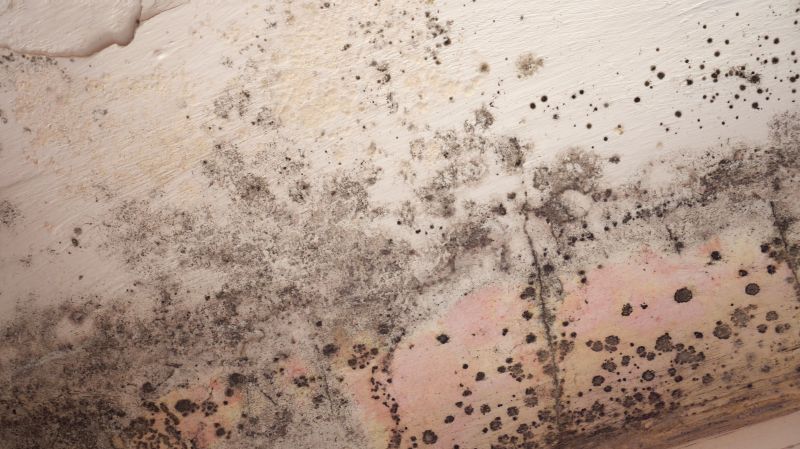
Identifying Attic Mold
Recognizing signs of mold growth in attic spaces is essential for property safety.

Health And Property Risks
Attic mold can impact indoor air quality and cause structural damage if left untreated.
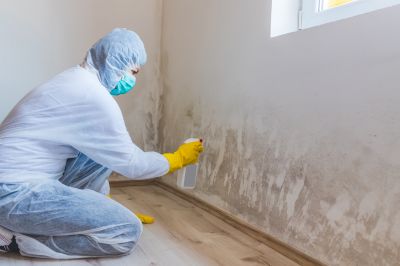
Remediation Process Overview
Effective mold removal involves thorough cleaning and moisture control to prevent future growth in dallas homes.
Attic Mold Remediation in Dallas, TX
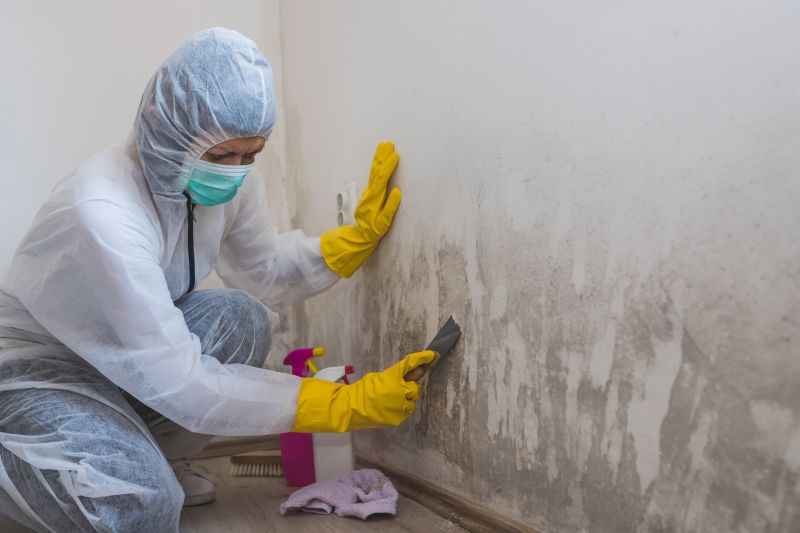
Attic mold remediation services focus on identifying and removing mold growth that occurs in attic spaces, often caused by excess moisture, poor ventilation, or roof leaks. These projects typically involve thorough inspection, mold containment, removal of affected materials, and cleaning of surfaces to prevent future growth. Property owners should understand that addressing attic mold is essential for maintaining indoor air quality and protecting the structural integrity of the home, especially in areas with high humidity or previous water issues.
Before requesting attic mold remediation, homeowners usually want to know about the extent of the mold problem, the methods used for removal, and any necessary repairs to prevent recurrence. It’s important to assess whether the mold is confined to certain areas or widespread, as well as to identify underlying causes such as ventilation problems or leaks. Proper communication about these details can help ensure that the remediation process is effective and that the attic remains safe and mold-free in the future.
Many property owners in Dallas, TX look into Attic Mold Remediation for repairs, replacements, upgrades, and appearance-related improvements.
Common Attic Mold Remediation Jobs
Attic Mold Remediation - removes mold growth caused by excess moisture or poor ventilation.
Mold Inspection - identifies hidden mold issues in attic spaces before they spread.
Mold Removal - safely eliminates mold from insulation, rafters, and attic surfaces.
Moisture Control - addresses leaks and humidity problems to prevent future mold growth.
Ventilation Solutions - improves attic airflow to reduce moisture buildup.
Post-Remediation Testing - confirms mold has been effectively removed and the space is safe.
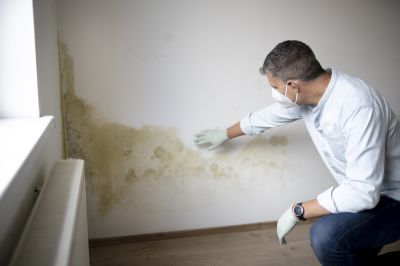
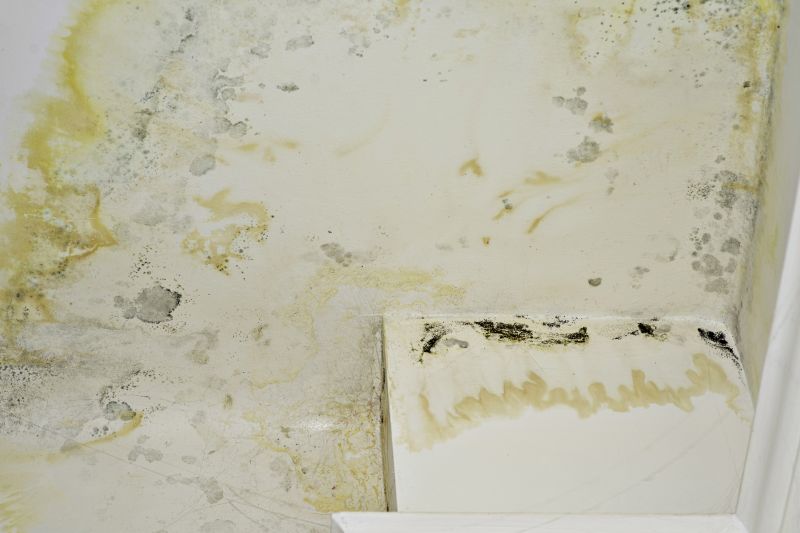
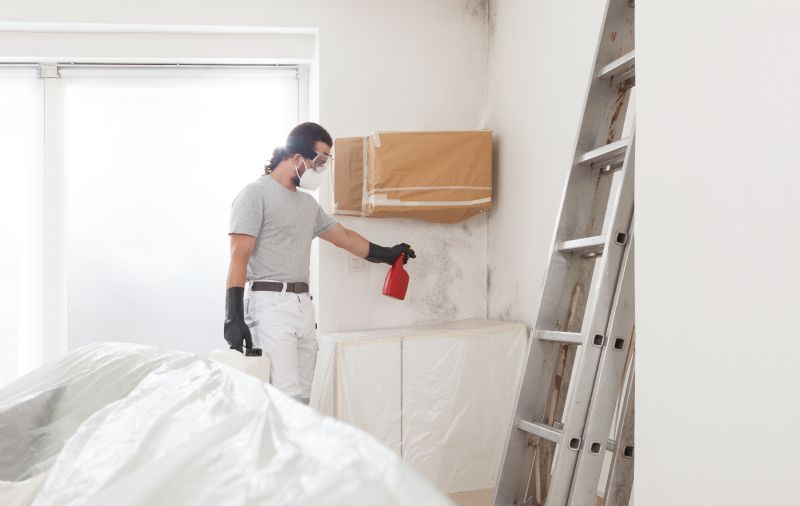
Attic Mold Remediation Questions
What causes mold growth in attics? Excess moisture, poor ventilation, and roof leaks can create conditions that promote attic mold development.
How can attic mold affect a home? Mold can damage insulation, structure, and may impact indoor air quality if left unaddressed.
What are common signs of attic mold? Visible mold patches, musty odors, and increased humidity levels are typical indicators of attic mold.
Is attic mold remediation necessary? Yes, removing mold helps prevent health issues and further property damage, ensuring a safer living environment.
Request Attic Mold Remediation in Dallas, TX
Use the quote form on this page to share the basics of your project and request more information for the type of work you need.